What is a balance transfer on a credit card?


Written by
Emily Tye
Reviewed by
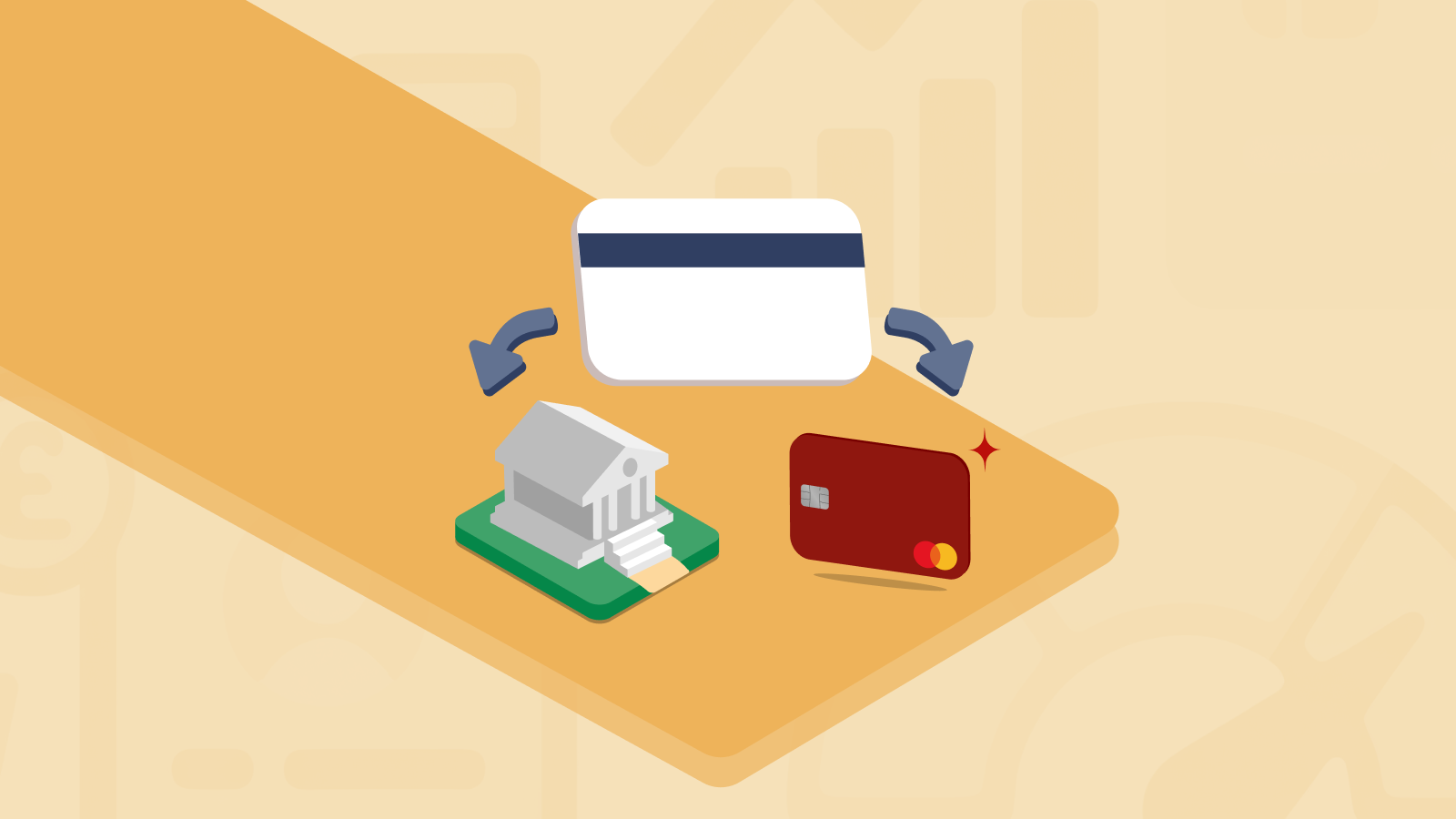
Amy LancashireA balance transfer is where you move your balance (money that you owe) from one or more existing credit cards to a new balance transfer card. This new card typically has a low or 0% interest rate for a set promotional period, which can help you save money. When the promotional period ends, the regular purchase interest rate kicks in.
What does a 0% balance transfer mean?
When a card offers 0% on balance transfers, it means you won't pay any interest on the debt you move across during the promotional period. All your monthly payments go directly toward reducing the balance, rather than covering interest charges.
But remember, the zero interest period will come to an end. In order to avoid paying interest entirely, once the promotional period ends (which can vary depending on the card issuer), you would need to pay off your balance in full each month.
How does a balance transfer work?
Let’s look at a hypothetical example in action.
The scenario:
Current debt: £1,200
Current interest rate (APR): 39.9%
New offer: A balance transfer card with 0% interest for 6 months and a 3% upfront fee.
Option 1: Staying with your existing card
If you only make the minimum payments on your current card, you'd pay roughly £435 in interest over the first year.
How we got that number: While the annual rate is 39.9%, the bank actually charges you interest every single month. They divide that annual rate into a monthly charge of about 3.33%.
In the first month, they charge 3.33% of your £1,200 (which is £39.96). As you make payments, your debt goes down, so the interest charge gets a tiny bit smaller each month. Added up over a year, those monthly charges total about £435. Find out more about how credit card interest works.
Option 2: Using a 0% balance transfer
If you move your debt to a new card, you pay a one-time 3% fee of £36 (3% of £1,200) and £0 in interest for the first 6 months.
If you managed to pay off the total balance within this period, you could save roughly £399 (£435 – £36 in fees).
What happens when the 0% period ends?
After the 6-month 0% period, any remaining balance would start being charged at the purchase rate (we’ll use a 39.9% APR variable in this example, too).
If you had £350 left to pay at the end of the 6 months, you could pay roughly £60 in interest over the next 6 months as you work to clear that final amount.
So, your total cost for transferring (including the £36 fee and estimated £60 interest) would be about £96.
That means you could save roughly £339 (£435 – £96) compared to paying £435 in interest on your old card.
Of course, this example is for illustration purposes only and actual charges can vary according to your payments and balance.
The key takeaway here is to:
Pay off your total balance within the promotional period if you can afford to do so.
If you don’t think you can pay off the balance within the promotional period, use your personal APR and balance to work out if you’d still end up saving money.
What is a balance transfer fee?
A balance transfer fee is a one-off charge that your new credit card issuer charges when you transfer your debt over to your new card.
It is usually a small percentage of the transferred balance (i.e. 2-4%), with a set minimum fee (i.e. a £3 minimum fee).
For example, if you transferred £500 of debt and the balance transfer fee was 3%, you'd pay a one-off fee of £15 (3% of £500).
It's something to keep in mind before you transfer your balance - does the money you'll save in interest outweigh the fee?
Balance transfer FAQs
This blog is for informational purposes only and does not constitute financial advice. Please speak to a qualified financial adviser before making financial decisions.