- Cards
- First credit card
Get your first credit card
When choosing your first credit card, it's important you opt for one that suits your needs and can help you build credit responsibly.
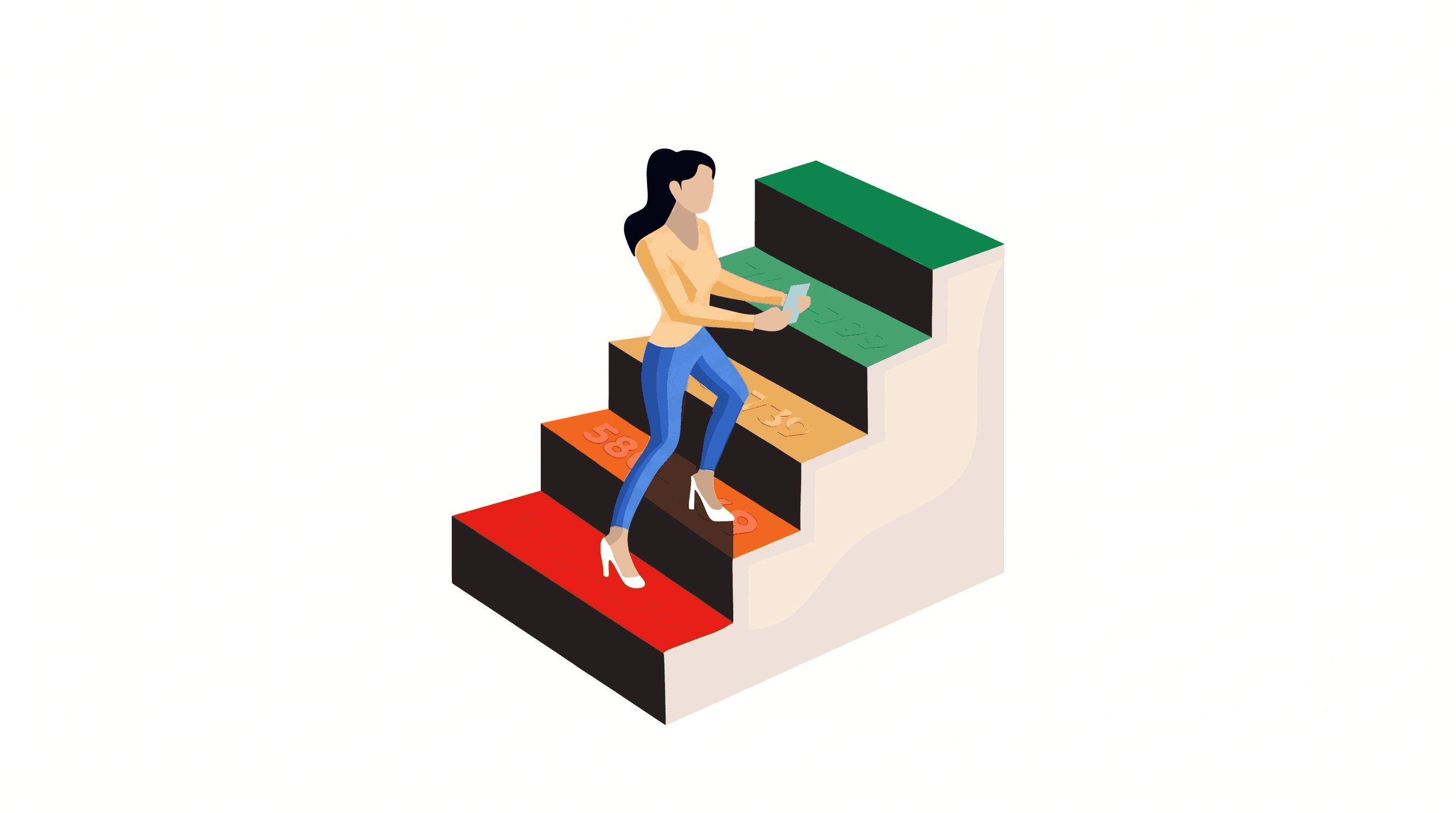
Our credit cards are designed to help you build your credit score
Start with a manageable credit limit personalised to you, then leave it to us review your account for limit increases
Check your eligibility and get a decision in seconds - it won’t impact your score
Representative 29.9% APR (variable). Subject to eligibility. If you don't qualify, we may offer you a different card with its own terms.
Apply online

Representative example:
Based on assumed borrowing of £1200 at an interest rate of 29.9% (variable) p.a. your representative APR will be 29.9% (variable).
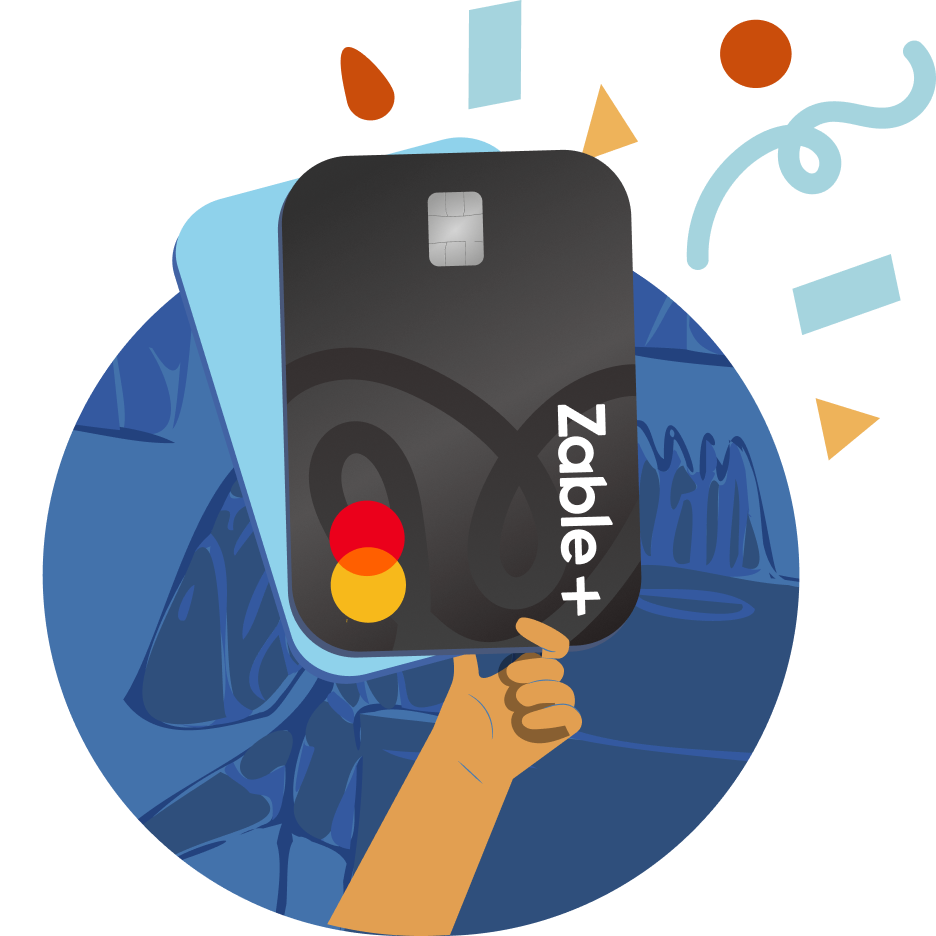
Why choose Zable for your first credit card
Great to get you started
You can link your bank account during the application process to improve your odds of approval. This helps those with limited credit history.
Credit that grows with you
Start with a manageable credit limit personalised to you. We will then automatically review your account for limit increases and let you know if you’re eligible.
No annual fees
We don't charge yearly card fees or fees for using your card abroad.
Repay instantly
You can easily repay any balances straight from your app by connecting your bank or debit card.
Track your spending
View your balance and total spending in real time, and get instant transaction notifications.
Am I eligible for a starter credit card?
The basic eligibility criteria for a starter credit card varies depending on the provider, though you will always need to be at least 18 years old.
To be eligible for a Zable card:
You must be at least 18 years old.
You must have a current account at a UK bank or building society.
You must regularly get paid at least £800 per month.
You must have a credit account that has been open for at least 6 months.
A credit account includes things like an existing credit card, overdraft, or monthly mobile phone plan.
At Zable, we appreciate that if you’re applying for your first credit card, you may have limited credit history. This is why you have the option to link your bank account during the application process. It allows us to assess your financial situation (income, spending habits etc.), as opposed to your credit score alone.
Check if I'm eligibleThings to keep in mind before choosing your first credit card
Choosing your first credit card doesn’t have to be overwhelming. Here are three key things to look out for.
1. APR (annual percentage rate)
The APR on a credit card is like a sample price tag that helps you compare the cost of different cards. The higher the APR, the more you’ll owe if you don’t repay in full each month. The best way to compare APRs is to get a quote using a soft search , which doesn’t impact your credit score.
You’ll also often see a ‘Representative APR’ advertised. This is the rate a lender must offer to at least 51% of people whose applications are accepted. But remember, you are not guaranteed to receive the Representative APR if you move forward.
If you plan to repay your balance in full every month, you won’t be charged any interest, so the APR becomes less relevant to your decision. Read more about the difference between APR and interest.
2. Credit limits
A credit limit is simply the maximum amount you are allowed to spend on your credit card. So if you have a £500 limit, you can spend up to £500. However, if you’re focusing on improving your credit score, it’s actually best to use 25% or less of your total limit.
Your credit limit will be tailored to your individual needs. If you have a lower income or a thin credit file, you’re likely to receive a lower credit limit to ensure you don’t get into financial difficulties (like spending more than you can afford to repay). If you repay consistently on time, it’s possible to then increase your credit limit.
At Zable, we automatically check if you're eligible for increases.
3. Fees and charges
Some credit cards may charge annual fees, particularly those with lots of perks and rewards. Some may also charge something called ‘foreign transaction fees’, which is basically a fee for using your card abroad.
At Zable, we don’t charge either.
As long as you make at least your minimum payment each month and avoid using your card to withdraw cash, you won’t be charged any fees for using your Zable card.
What types of credit cards are there?
Type of card | Good for |
|---|---|
Starter credit card | Your first credit card, often fee-free and with manageable credit limits |
Students aged 18 or over who have a limited credit history | |
People who may struggle to get accepted for credit based on their credit score alone | |
Those who want to consolidate existing credit card debt | |
People who want to use their card on holiday fee-free | |
0% spending card | Those who are specifically looking for an interest-free period on new purchases |
Reward card | People who prioritise cashback or rewards (like airline points) |
How to get your first credit card
To get your first credit card with Zable, simply click ‘apply’ to check your eligibility.
If you’re eligible, you can choose to complete your full application. We’ll review your information, usually within a few seconds, and then you’re good to go!
You can use your virtual card within minutes (if eligible) while you wait for your physical card to arrive in the post.
Note: In order for us to check whether you’re eligible for a virtual card, you will need to link your bank account when prompted.
What if I get rejected for my first credit card?
If you get rejected for your first credit card, there may be steps you can take to improve your likelihood of being accepted - check them out below.
But first, one important thing to note: While you can check your eligibility using a soft search checker as many times as you like without impacting your credit score, a full application will trigger a hard credit check. Hard credit checks appear on your credit file and can cause dips in your score, so pause any further full applications, and check your eligibility instead.
Link your bank account
If you link your bank account during the Zable application process, we can use your bank transaction information (like your income and spending habits) to determine your financial situation, as opposed to looking at your credit score alone. This can improve your odds of approval and potentially give you a credit limit boost.
Ensure you’re registered to vote
Being on the electoral roll is the simplest way to prove to lenders that you are who you say you are. This helps lenders protect against fraud, so it’s incredibly important. Even if you don’t plan to vote, it’s a good idea to register.
Check your credit score
If you have a lower credit score, you may find it harder to get approved for credit. Check your score using the Zable app to be able to see what improvements you can make, as well as how your score compares to others in your area and age range. It’s free to check and won’t impact your credit score.
For more information, read our guide on why credit card applications may get declined.
Tips for using your first credit card
Using your credit card responsibly can help boost your score and potentially unlock better rates on future products (like loans, mortgages, and other credit cards). That’s why it’s important to follow these first-time credit card tips.
Keep within your credit limit
At Zable, we don’t charge fees for going over your credit limit - instead, if you try to exceed your limit, your transaction will likely decline. However some providers may allow you to go over and then charge a fee.
Maintain a low ‘credit utilisation’
Credit utilisation is another way of saying how much of your credit limit you’re using. It’s displayed as a percentage.For example, if your credit limit is £500 and you make a purchase of £100, your credit utilisation is 20% (£100 is 20% of £500).Try to keep your credit utilisation below 25% to demonstrate to lenders that you borrow money responsibly. This can help your credit score.
Never use your card to withdraw money from an ATM
Doing so will likely mean you incur a fee, plus frequent cash withdrawals may be seen as a sign of financial difficulty and can damage your credit score.
Keep on top of your credit card repayments
Missed or late payments can result in fees and damage your credit score. It’s a good idea to set up a direct debit so you never risk forgetting. You must pay at least the minimum payment each month.
Pay more than the minimum repayment each month, if you can afford to
If you clear your balance in full each month, you won’t be charged any interest. Otherwise, the more you pay off, the less interest you pay.