- Cards
- Credit card for self-employed people
Credit card for self-employed people
If you’re self-employed, a Zable credit card could be the one for you, even if you have a fluctuating income.
Getting a quote won’t impact your credit score
Get a decision in seconds
Link your bank account during your application and you could get a higher credit limit
Representative 29.9% APR (variable). Subject to eligibility. If you don't qualify, we may offer you a different card with its own terms.
Apply online

Representative example: Based on assumed borrowing of £1200 at an interest rate of 29.9% (variable) p.a. your representative APR will be 29.9% (variable).
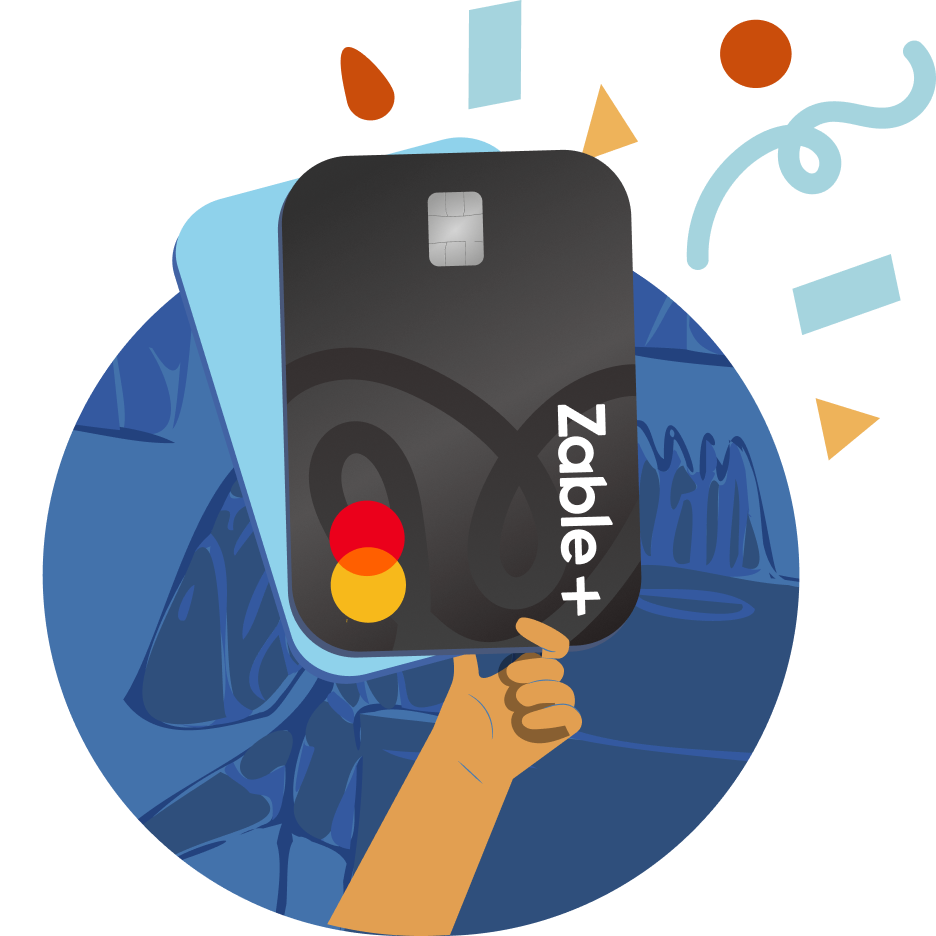
Why choose a credit card with Zable?
Credit that grows with you
We automatically review your account for credit limit increases and let you know if you’re eligible.
Repay instantly
You can repay any balances straight from your app by connecting your bank or debit card.
Track your spending
View your balance and total spending in real time and get instant transaction notifications.
Manage your credit card on the go
You can do everything from changing your PIN to freezing your card in a matter of taps.
What is a self-employed credit card?
Credit cards marketed to self-employed people are essentially personal credit cards that an individual qualifies for using their self-employed income, to use on personal expenses or business expenses.
Some lenders may see someone with a fluctuating income as higher risk compared to someone with a steady, fixed salary, which could make it harder to get approved. This can be further perpetuated if you have a lower credit score (read more about your credit score when self-employed).
At Zable, we’re proud to use Open Banking to get a full picture of someone’s income and spending habits when assessing applications.
Self-employed cards are slightly different to business credit cards, which are typically marketed towards companies and tailored for business expenses. They may boast higher credit limits than personal cards to cover significant business spend.
What should I consider before applying for a credit card for self-employed people?
1. Consider why you want a credit card
If you plan to use a credit card for heavy business spending, a business credit card may be better suited as they often have higher limits. They can also simplify tax returns, as it’s easier to separate business and personal expenses if you have separate cards.
The benefits to a personal credit card include having strong consumer protections, like Section 75 of the Consumer Credit Act which covers purchases between £100 and £30,000. And, if you use your card sensibly, you can increase your personal credit score, which can make it easier to apply for other credit products in the future and even receive better rates.
2. Be aware that you will need to meet an income threshold
To be eligible for a credit card, the lender needs to be satisfied that you will be able to make your monthly repayments, regardless of whether you are self-employed, work for a company, or even unemployed. This means you need to have an income.
Different lenders have different requirements and thresholds, but at Zable, the basic eligibility criteria requires you to be paid at least £800 a month. This doesn’t have to be solely from your salary; It can also be from things like a pension, rental payments, or benefits.
If income requirements are a concern for you, you may want to read more about credit cards for people with low income.
3. Check your eligibility before submitting an application
An eligibility checker has no impact on your credit score as it uses a soft search to provide you with a decision and quote.
Once you proceed with a full application, a hard credit check will be carried out which will leave a footprint on your file. This can cause a temporary dip in your score, so it’s best to avoid until you are sure you’d like to proceed.
Check if I'm eligible
How to apply for a credit card when self-employed
Download the Zable app or apply online
Check your eligibility
Checking your eligibility won't impact your credit score.
Complete your application
If eligible, you'll be asked to provide some more details. We'll review your information, usually within a few seconds.
Start spending immediately
Most customers can start spending right away, if eligible, using Apple Pay or Google Pay.
Tip: When you link your bank account during your application, you could be eligible for an average credit limit boost of over £500.
What can I do to improve my chances of being accepted?
1. Check if there are steps you can take to improve your credit score before you apply.
For example, you can check your credit report for any errors (like a payment being wrongly reported as missed or late) and contact the credit reference agency to have it corrected.
Longer-term strategies include paying your bills on time every month and maintaining your long-standing accounts. You may want to consider a credit building credit card to help you start that positive payment streak.
Not only are those with a higher credit score more likely to be accepted for credit, they are often offered more favourable terms, such as a higher credit limit or a lower interest rate. So if you have time on your side, it’s well worth looking into.
Read more about how to improve your credit score.
2. Link your bank account when you apply
At Zable, you can link your bank account during the application process so that we can take a broad view of your financial situation (e.g. income and spending habits), as opposed to looking at your credit score alone.
This can be particularly beneficial to people who have a lower credit score.
Read more about credit cards for bad credit.
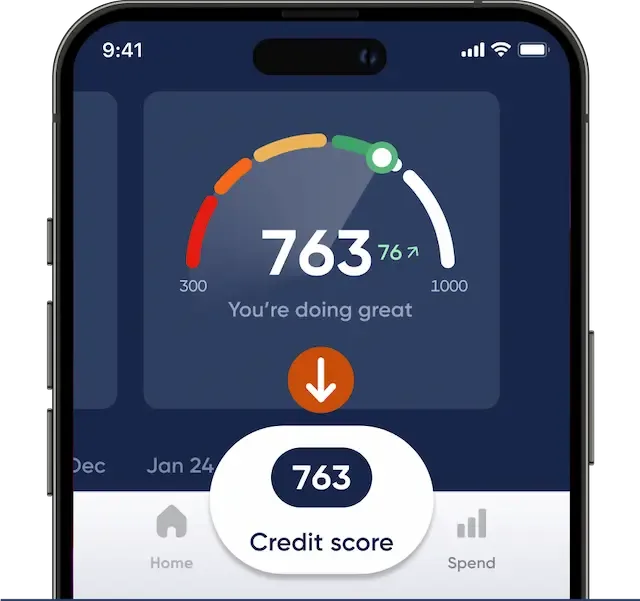
Download the app to see your credit rating for free
Download the Zable appWhat are the alternatives to a self-employed credit card in the UK?
If a credit card for the self-employed doesn’t sound right for you, you may consider:
Personal loans: Receive a lump sum payment which you pay back, plus interest, over a predetermined length of time.
Business credit cards: Often come with higher credit limits and business-focused rewards.
Setting a savings goal: Though it requires discipline and time, relying on your savings can help you avoid paying interest entirely.
Authorised overdrafts: This could be a short-term option, but often has a low limit (and high interest rates should you go over it).


