What is a good credit score?


Written by
Emily Tye
Reviewed by
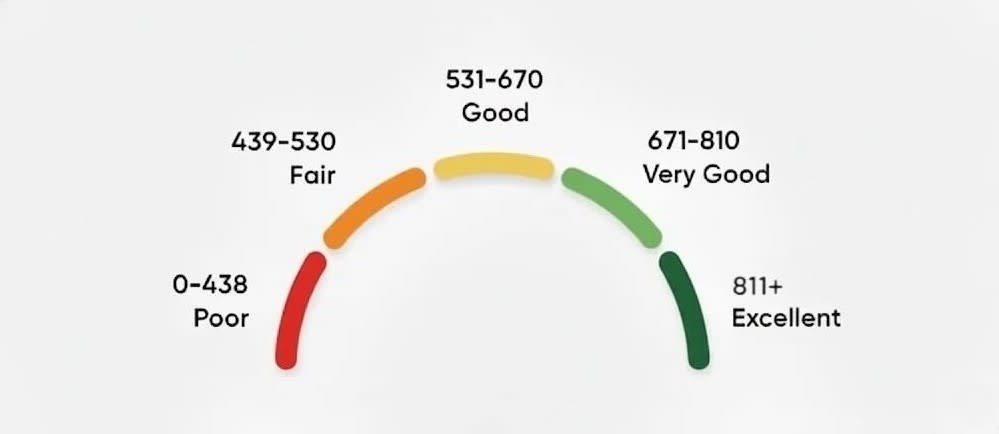
Amy LancashireA good credit score is between 531 and 670 with Equifax, 861-1000 with Experian and 653-785 with TransUnion. Each use different scales with their own ranges, so there is no single number that defines 'good' across the board. This guide covers what counts as a good score with each agency and how to achieve one.
What is a credit score?
A credit score is a number that represents your creditworthiness. In the UK, credit scores are calculated by three major credit reference agencies (also called 'CRAs'):
Equifax: Scores range from 0 to 1,000.
Experian: Scores range from 0 to 1,250.
TransUnion: Scores range from 0 to 999.
Lenders use these scores to assess how likely you are to repay borrowed money on time. Your credit score is influenced by several factors, including your payment history, credit utilisation, length of credit history, types of credit, and recent credit applications.
What is a good credit score in the UK?
A good credit score varies depending on the credit reference agency, as shown in the below table. However, they all broadly agree with one another. If you have a good score with one agency, it's likely you'll have a good score with another. The numbers themselves still vary, though. Read more about why your score may look different on different sites.
Rating | Equifax | Experian | TransUnion |
|---|---|---|---|
Excellent | 811+ | 1121 - 1250 | 786 - 999 |
Very Good | 671 - 810 | 1001 - 1120 | — |
Good | 531 - 670 | 861 - 1000 | 653 - 785 |
Fair | 439 - 530 | 641 - 860 | 563 - 652 |
Poor or Low | 0 - 438 | 0 - 640 | 488 - 562 |
Very Low | — | — | 0 - 487 |
As you can see, each credit reference agency defines a good score as follows:
Equifax: 531 - 670
Experian: 861 - 1000
TransUnion: 653 - 785
But it's also possible to have a 'very good' or 'excellent' score (see table). It essentially boils down to this:
Generally, the higher your score, the better your chances of getting approved for credit (such as a loan, credit card, or mortgage) with favourable terms and limits. This is because a 'good' score (or higher) suggests to lenders that you have a history of managing credit reliably.
Note: Experian’s score used to be out of 999, but it changed in late 2025.
Why does a good credit score matter?
Having a good credit score in the UK can significantly impact your financial life:
Better loan terms - access to lower interest rates on personal loans and credit cards.
Higher credit limits - lenders may be willing to offer you larger amounts of credit.
Easier approval for rentals - letting agents and landlords prefer tenants with good credit.
Competitive insurance rates - some insurers in the UK use credit scores to determine premiums.
Access to pay monthly arrangements with utilities (gas and electricity) companies, and mobile phone contract providers.
How do you achieve a good credit score?
If your credit score is below the 'good' range, here are some steps you can take to improve it:
Register on the electoral roll - being registered to vote at your current address can boost your score. Our guide to the electoral roll and your credit score covers this in more detail.
Pay your bills on time - your payment history is the most significant factor affecting your credit score.
Reduce your credit utilisation - aim to use less than 25% of your available credit limit.
Avoid unnecessary credit applications - each application can temporarily lower your score.
Regularly monitor your credit report - check for errors with all three credit reference agencies (Experian, Equifax, and TransUnion).
Find out more in our guide on how to increase your credit score.
How do you maintain a good credit score?
Once you achieve a good credit score, it's important to maintain it. Here are some top tips:
Keep your balances low and avoid maxing out your credit card.
Continue making on-time payments on your credit card. These consistent payments will keep your credit score high.
Limit new credit applications and only apply for new credit when necessary.
Monitor your credit regularly and use a credit monitoring service to keep track of your score.
A good credit score is a valuable financial asset that is often forgotten. It can make borrowing cheaper, provide access to better financial products, and give you greater financial flexibility. By following the tips in this guide, you can work towards achieving and maintaining a good credit score, ensuring a healthier financial future.
There are a range of financial products available that may suit your needs. We encourage you to research your options carefully and consider seeking independent financial advice before making any decisions. This blog is for informational purposes only and does not constitute financial advice.

