Cancelling a loan: your right to withdraw explained

Written by
Joe Towner
Reviewed by
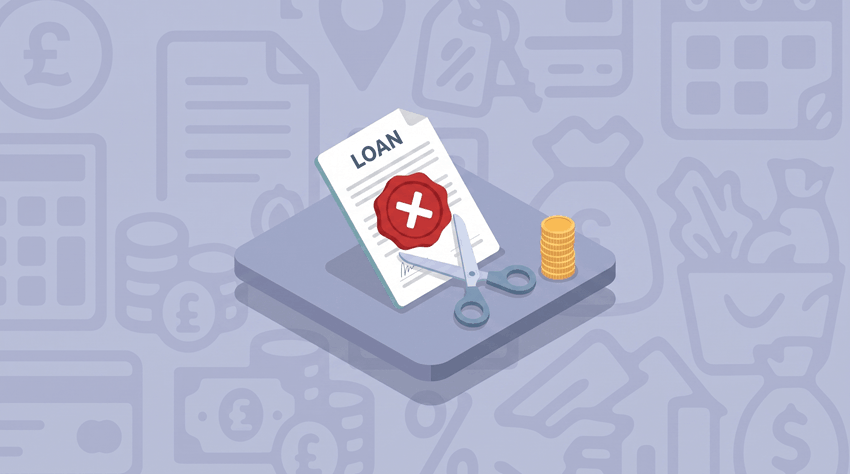
Amy LancashireYes, you can usually cancel a loan. If you haven't signed the agreement yet, you can simply withdraw your application. If you've already signed, you have a legal right to withdraw within 14 days under the Consumer Credit Act 1974. You'll need to repay any money you've received, plus interest for the days you had it, within 30 days. Here's how it works, what it costs and whether it affects your credit score.
Can I cancel a loan before I've signed or received the money?
Yes. If you've applied but not yet signed the credit agreement, you can withdraw your application at any time by telling the lender. Nothing has been finalised, so there's no money to repay and no agreement to unwind. Contact the lender through their app, online, by phone or in writing and ask to cancel the application.
The 14-day right to withdraw
Once you've signed, you have a statutory right to withdraw from most personal loans under Section 66A of the Consumer Credit Act 1974. Also known as the ‘cooling off’ period, the main points include:
You have 14 days to withdraw. The clock starts the day after the agreement is made, or the day after you receive a copy of the signed agreement or confirmation, whichever is later.
You don't have to give a reason.
You can tell the lender in writing, by phone or by email. Check your agreement for how they want to be notified.
If the money has already been paid to you, you must repay it in full, plus interest for the days you had it, within 30 days of giving notice.
The interest is usually a small daily amount, and your lender must set out the daily figure in your agreement so you know what you'll owe. This right applies to most personal loans, but not to everything (for example, loans secured on your home work differently).
What if it's been more than 14 days?
After 14 days you can't cancel the agreement, but you can still end it early by repaying what you owe. This is called settling the loan early. Ask your lender for a settlement figure, which is the total needed to clear the balance. Some lenders charge an early repayment fee, so check your agreement first. See our guide on repaying a loan early for how this works.
Does cancelling a loan affect my credit score?
Applying for the loan leaves a hard search on your credit file, and that stays whether or not you go ahead. A hard search is usually visible to other lenders for up to two years and can cause a small, temporary dip. Withdrawing from the agreement itself isn't recorded as a negative mark, so cancelling within the 14 days doesn't damage your credit score. What matters is not leaving the balance unpaid: repay the money within the 30 days so the account closes cleanly. To understand searches better, read about soft and hard credit checks and what affects your credit score.
How to cancel a loan
Check your agreement for the cancellation terms and how to notify the lender.
Contact the lender within 14 days of signing, or straight away if you haven't signed.
Confirm in writing, by email or letter, so you have a dated record.
Repay any money you've received, plus the daily interest as required, within 30 days.
Check the loan shows as settled and closed.
FAQs
There are a range of financial products available that may suit your needs. We encourage you to research your options carefully and consider seeking independent financial advice before making any decisions. This blog is for informational purposes only and does not constitute financial advice.