
Amy Lancashire
Compliance Monitoring Officer
Amy is Compliance Monitoring Officer at Lendable, where she has worked for three years. She holds an undergraduate law degree from Keele University and a master’s in law from the University of the West of England – qualifications that trained her to read and apply regulatory frameworks precisely. She spent several years as a legal advisor and paralegal before moving into financial services compliance. She reviews Zable content to ensure it meets FCA financial promotions standards and is accurate for readers.
"Accuracy in financial content really matters. When someone is making a decision about credit, they need to be able to trust what they're reading. My job is to make sure everything on Zable is not only clear, but legally sound and compliant with the rules that are there to protect consumers."
Articles reviewed by Amy

Do prepaid cards build credit?
Standard prepaid cards don't build credit or affect your score. Here's why, what paid credit-building add-ons do, and what works instead.

Emily Tye
Oct 14, 2026
4 min read
What is a secured credit card?
A secured credit card needs a cash deposit upfront. They are rare in the UK, but there are alternative options that can help you build credit.
Emily Tye
Oct 13, 2026
5 min read

Proof of address: what counts in the UK
Find out which documents count as proof of address in the UK and how to get proof without bills in your name.
Emily Tye
Oct 13, 2026
6 min read

Everyday Essentials: How Brits are redefining ‘essential spending’
Zable research reveals how Brits adapt everyday budgets by comparing national survey data with real transaction trends.
Emily Tye
Oct 13, 2026

Standing order vs direct debit: what's the difference?
A standing order is a fixed payment you control. A direct debit lets a company collect varying amounts, protected by the Direct Debit Guarantee.
Emily Tye
Oct 12, 2026
6 min read
What is net income?
Net income is what you keep after Income Tax, National Insurance and other deductions.
Emily Tye
Oct 12, 2026
6 min read
Charge card vs credit card: what's the difference?
A charge card must be paid in full every month, while a credit card lets you spread the cost. See how fees, limits and Section 75 protection compare.
Emily Tye
Oct 9, 2026
5 min read

What is a non-sterling transaction fee?
A non-sterling transaction fee is a charge your card provider adds when you pay in a currency other than pounds. See how it works.
Emily Tye
Oct 9, 2026
3 min read
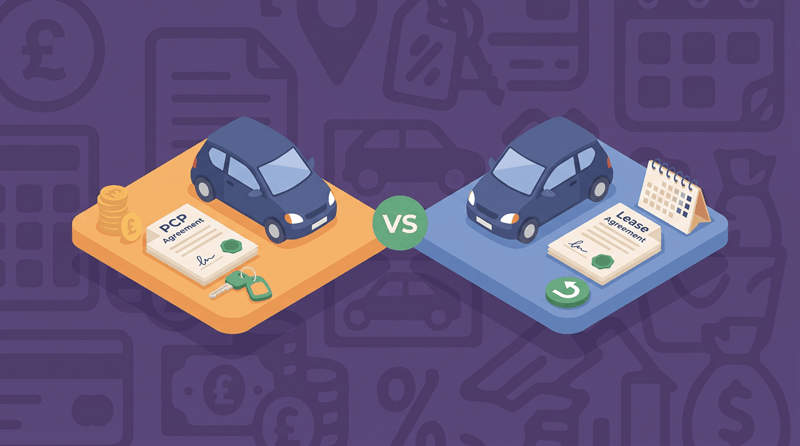
PCP vs lease: what's the difference?
PCP lets you buy the car at the end, while a lease is long-term rental.

Joe Towner
Oct 8, 2026
12 min read

Guarantor car finance: can I get it and how does it work?
See how guarantor car finance works and who can be a guarantor.
Joe Towner
Oct 8, 2026
6 min read
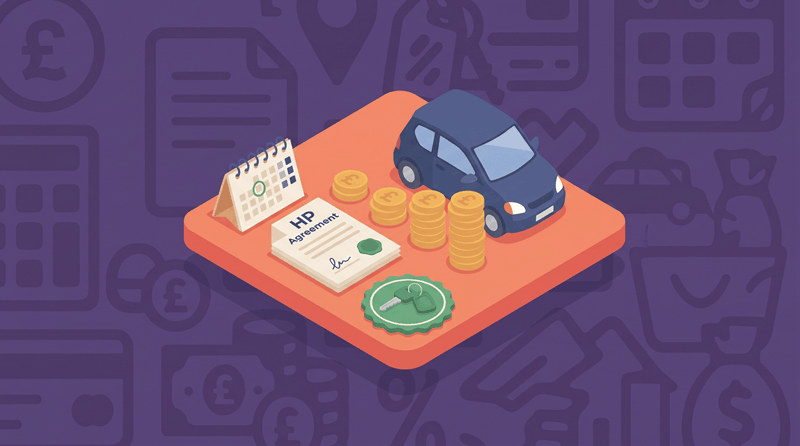
What is HP finance? Hire purchase explained
Hire purchase lets you pay for a car in monthly instalments and own it at the end.
Joe Towner
Oct 8, 2026
10 min read
Zable vs Capital One
Comparing Capital One to the Zable credit card? Find out which credit card is right for you.
Emily Tye
Oct 7, 2026
2 min read
Zable vs Vanquis
Comparing Vaquis to the Zable credit card? Find out which credit card is right for you.
Emily Tye
Oct 7, 2026
2 min read
Zable vs Aqua Credit Card
Comparing Aqua to the Zable credit card? Find out which credit card is right for you.
Emily Tye
Oct 7, 2026
2 min read

What is the contactless limit in the UK?
The UK's £100 contactless cap was scrapped in March 2026, but most card providers kept it.
Emily Tye
Oct 2, 2026
4 min read

How to budget: 5 steps
Learn how to budget in 5 steps, from working out your take-home pay to planning for irregular costs.
Emily Tye
Oct 2, 2026
8 min read

How to create a family budget: 5 steps
How to create a family budget that works with real UK figures.
Emily Tye
Oct 2, 2026
9 min read

How to budget as a student: 5 steps
How to budget as a student in 5 steps, from adding up your loan to a weekly spending figure.
Emily Tye
Oct 2, 2026
5 min read

Autumn Staycations: The Best-Value UK Destinations for 2026
New research reveals the best-value UK destinations for an autumn staycation in 2026.
Emily Tye
Oct 1, 2026

Does checking your credit score affect it?
No. Checking your own credit score is a soft search that only you can see, so check as often as you like.
Emily Tye
Sep 28, 2026
4 min read
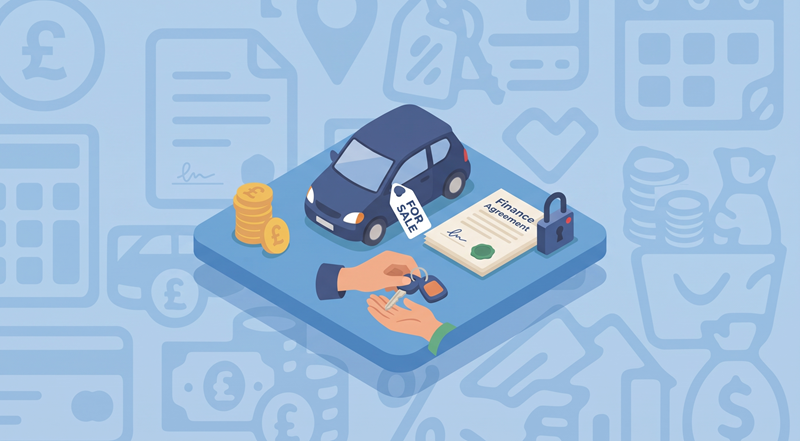
Can you sell a car on finance?
Learn more about your rights if you’re looking to sell a financed car, how to check equity and the steps involved.
Joe Towner
Sep 22, 2026
7 min read
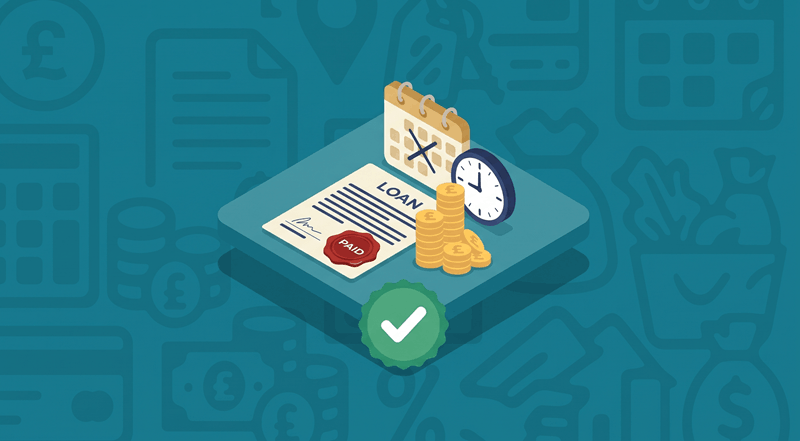
What is a settlement figure?
A settlement figure is the exact amount to clear your car finance early. Here's what it includes and how to find it out.
Joe Towner
Sep 22, 2026
6 min read
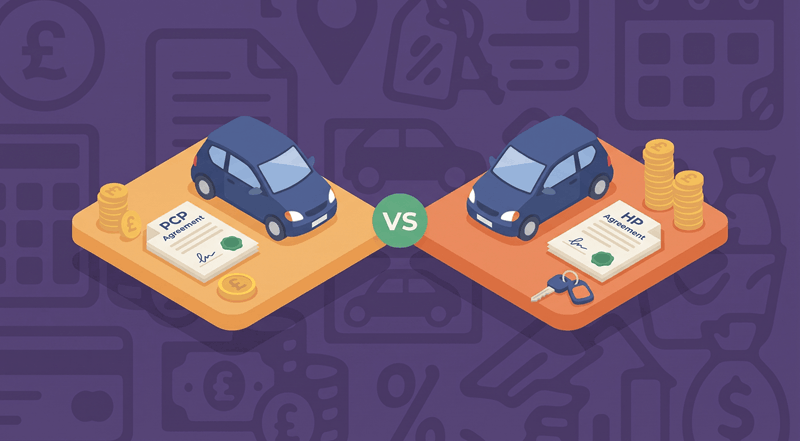
PCP vs HP: what's the difference and which is right for me?
PCP vs HP compared: how each works, what they cost, and which might be right for you.
Joe Towner
Sep 22, 2026
8 min read

Can you get HP car finance with an IVA?
You can get HP car finance in an IVA, but only with your insolvency practitioner's permission.
Joe Towner
Sep 22, 2026
5 min read
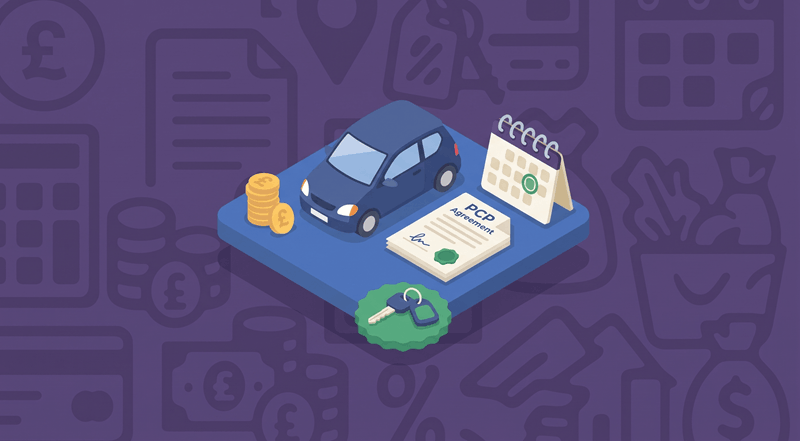
What is PCP? Personal Contract Purchase explained
PCP (Personal Contract Purchase) lets you pay a deposit and lower monthly payments, then buy, return or trade in the car at the end.
Joe Towner
Sep 22, 2026
7 min read

What credit card should I get?
Wondering what credit card you should get? Learn two main factors to consider and how to check your eligibility without a hard search.
Emily Tye
Sep 21, 2026
5 min read
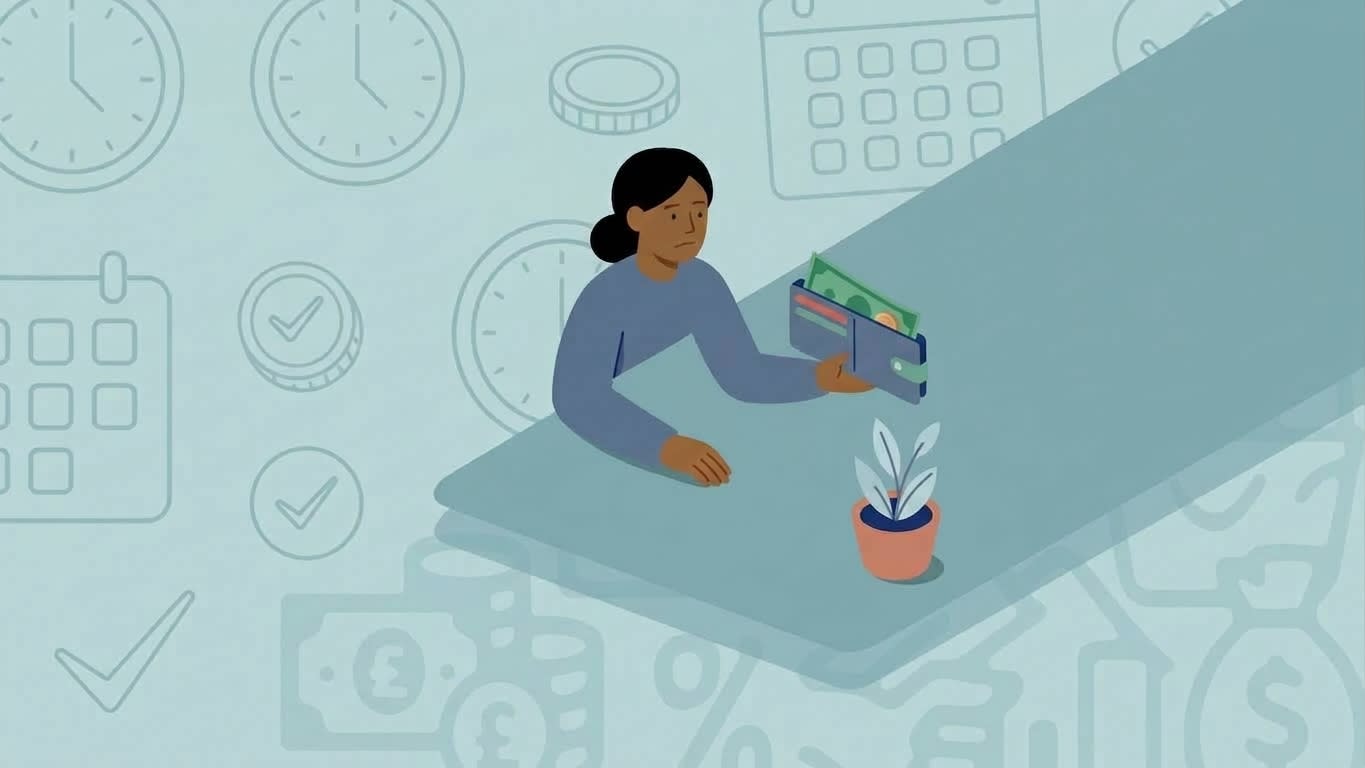
The UK’s Payday Report
New research uncovers how Brits spend, save and behave in the days immediately leading up to, and immediately following, payday.
Emily Tye
Sep 21, 2026

What is a bad credit score?
A bad credit score means under 641 with Experian, under 439 with Equifax, or under 563 with TransUnion. Find out what these mean and what to do next.
Emily Tye
Sep 15, 2026
5 min read

What is a joint loan?
A joint loan lets two or more people borrow together, with everyone liable for the full amount.
Joe Towner
Sep 15, 2026
6 min read

Why is my credit score different on different sites?
There's no single credit score. See why yours differs across Experian, ClearScore and Credit Karma, and what actually counts when you apply.
Emily Tye
Sep 15, 2026
5 min read