The Rising Cost of a Christmas Dinner in 2026

Written by
Emily Tye
Reviewed by
Amy LancashireAs Christmas approaches, households across the UK are beginning to prepare for one of the festive season’s most cherished traditions: Christmas dinner. From turkey and stuffing to brussels sprouts and gravy, every household has its own take on the classic festive feast. But with the cost of living continuing to shape household budgets, how much does it cost to put Christmas dinner on the table in 2026?
To find out, credit card experts here at Zable have analysed the cost of Christmas dinner and other festive essentials, comparing prices from 2016 to 2026 to reveal how the cost of celebrating Christmas has changed over the past decade.
The cost of Christmas dinner has risen by 54% in the past 10 years
The cost of Christmas dinner essentials has risen considerably over the past decade, with some traditional festive favourites rising in price faster than general inflation.
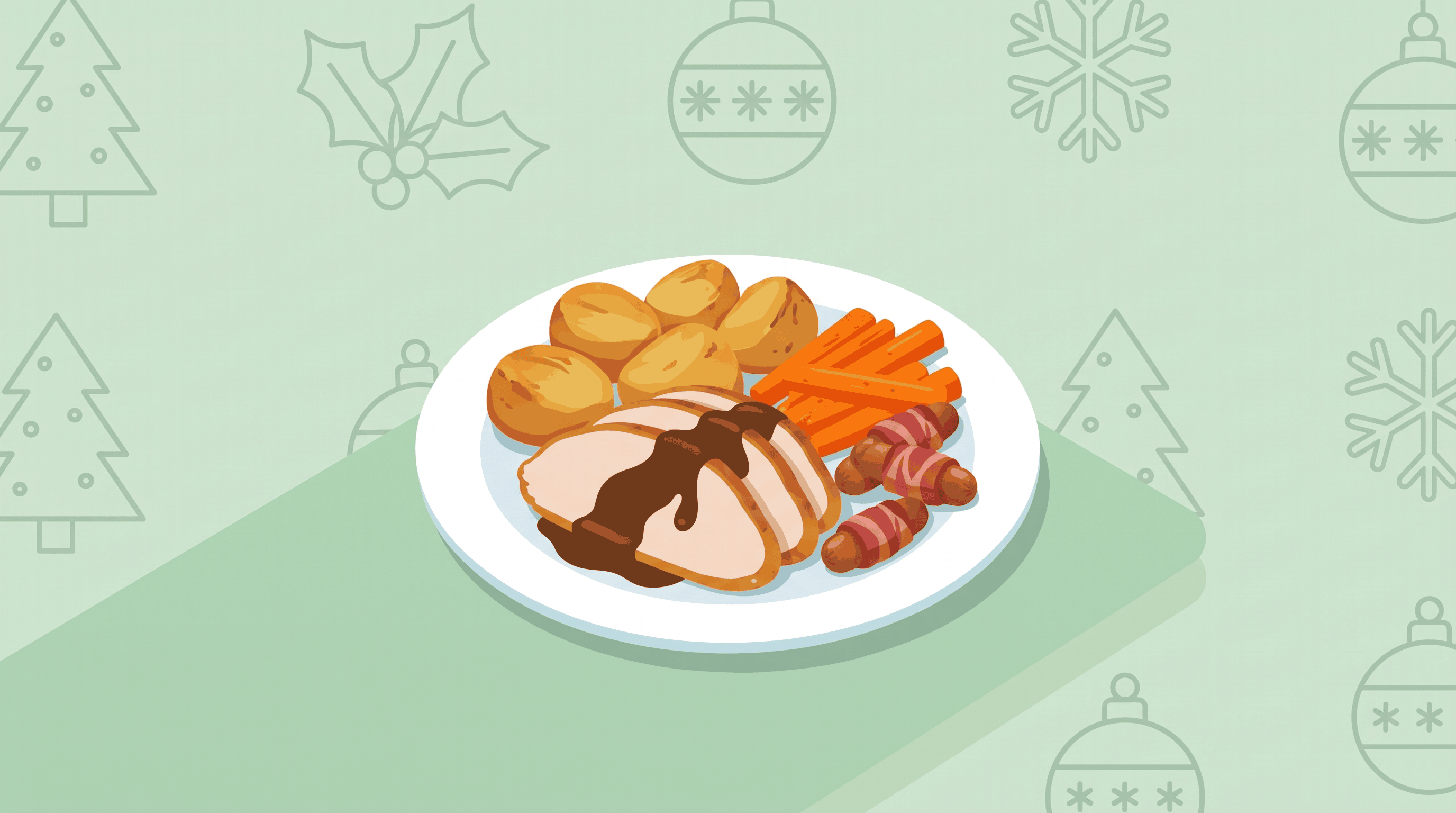
We calculated the total cost of a Christmas dinner by adding together the prices of one of each essential item, including turkey and all the trimmings. In 2016, the total cost of the items analysed was £64.66. By 2026, this had risen to £99.59 - an increase of £34.93, or 54%.
The Christmas dinner essentials that have seen the biggest increase in cost per kilogram in the past 10 years:
Festive Item | Cost in 2016 | Cost per kg in 2016 | Cost in 2026 | Cost per kg in 2026 | % difference in cost per kg (2016 - 2026) |
|---|---|---|---|---|---|
Stuffing mix | £1.00 | £5.27 | £2.65 | £15.59 | 196% |
Beef roasting joint | £8.00 | £8.00 | £17.50 | £17.50 | 119% |
Gravy granules | £2.99 | £6.00 | £4.75 | £10.56 | 76% |
Gammon joint | £8.00 | £4.00 | £13.21 | £6.50 | 63% |
Whole turkey | £36.75 | £7.00 | £65.89 | £11.00 | 57% |
Carrots | £0.45 | £0.45 | £0.69 | £0.69 | 53% |
Cauliflower cheese | £1.30 | £3.72 | £1.95 | £5.57 | 50% |
Yorkshire puddings | £1.00 | £4.35 | £1.40 | £6.36 | 46% |
Turkey crown | £23.92 | £7.50 | £33.50 | £10.50 | 40% |
Mince pies | £0.89 | £0.15 (per pie) | £1.25 | £0.21 (per pie) | 40% (per pie) |
Pigs in blankets | £2.50 | £12.00 | £3.50 | £16.67 | 38.92% |
Brandy butter | £1.90 | £9.50 | £2.55 | £12.75 | 34.21% |
Bread sauce | £0.85 | £21.30 | £1.10 | £27.50 | 29.11% |
Red cabbage | £0.69 | £0.69 (per item) | £0.89 | £0.89 (per item) | 28.99% (per item) |
Roast potatoes | £2.00 | £0.80 | £1.85 | £0.92 | 15.00% |
Parsnips | £0.59 | £1.29 | £0.74 | £1.48 | 14.73% |
Christmas pudding | £10.00 | £11.10 | £9.00 | £11.25 | 1.35% |
Brussels sprouts | £1.00 | £2.00 | £0.89 | £1.78 | -11.00% |
Cranberry sauce | £0.75 | £3.80 | £0.49 | £2.45 | -35.53% |
*Table ranked by the items that have seen the biggest % difference in price in the past 10 years
For many households, turkey is the centrepiece of Christmas dinner, but it is also one of the biggest contributors to the rising cost of the festive feast. The price of a whole turkey has risen from £36.75 in 2016 to £65.89 in 2026, an increase of £29.14. On a per kilogram basis, prices have climbed from £7 to £11 over the same period, representing a 57% increase.
For those considering an alternative, a turkey crown has seen a smaller increase in its overall price, rising from £23.92 to £33.50 over the same period, with the cost per kilogram rising by 40% from £7.50 to £10.50 in the last 10 years. Other meat options have become expensive, too. The price of a beef roasting joint has increased by 119% per kilogram, and a gammon joint by 63%.
Stuffing mix has seen the biggest price increase by weight in the past 10 years, followed by a beef joint and gravy granules
Stuffing mix has seen the biggest price increase of any item in the Christmas dinner comparison over the past decade, with the cost per kilogram soaring by almost 196%, from £5.27 in 2016 to £15.59 in 2026.
Beef roasting joints have experienced the second-largest rise, increasing by 119% from £8 to £17.50 per kilogram. Gravy granules round out the top three, with prices climbing by 76% to £10.56 per kilogram. By comparison, the cost per kilogram of a whole turkey has risen by 57.14%, while turkey crowns and mince pies have recorded more modest increases of 40%.
Chocolate ‘Shrinkflation’ in 2026: Christmas classics are getting more expensive, but smaller in size
As the cost of Christmas dinner continues to rise, festive treats are also becoming more expensive, with shoppers facing a double hit from higher prices and smaller packets. Chocolate tubs are a clear example of this shrinkflation, with popular brands offering less chocolate than they did a decade ago while charging more per kilogram.
Quality Street has seen one of the biggest changes, with a standard tub shrinking from 750g in 2016 to 550g in 2026, a reduction of 200g, or around 27%. Over the same period, its price per kilogram has increased by 140% from £5.30 to £12.73.
Celebrations have experienced an even greater reduction in pack size, falling by 250g from 750g to 500g, a decrease of around 33%. Meanwhile, the cost per kilogram has more than doubled, rising by almost 109% from £6.70 to £14. Heroes and Roses have also become smaller, with their prices per kilogram increasing by around 68% and 38%, respectively. Overall, the figures highlight how shrinkflation is adding to the cost of festive treats, with consumers receiving less chocolate while paying considerably more per kilogram than they did in 2016.
The Christmas chocolates that have seen the biggest increase in cost per kilogram in the past 10 years:
Rank | Christmas Chocolate item | Cost per kg in 2016 | Cost per kg in 2026 | £ difference per KG - past 10 years (2016 - 2026) | % decrease in size from 2016 to 2026 | % difference in cost per kg (2016 - 2026) |
|---|---|---|---|---|---|---|
1 | Quality Street | £5.30 | £12.73 | £7.43 | 27% | 140% |
2 | Celebrations | £6.70 | £14.00 | £7.30 | 33% | 109% |
3 | Heroes | £12.40 | £20.83 | £8.43 | 26% | 68% |
4 | Roses | £12.50 | £17.24 | £4.74 | 12% | 38% |
*Table ranked by the chocolate that has seen the biggest increase in price per kg in the past 10 years
Which other festive foods and drinks have risen most in price?
Beyond the main Christmas dinner and festive chocolates, the cost of seasonal food and drink has also risen over the past decade. Drinks in particular have seen some of the sharpest price increases, with traditional festive favourites such as Bucks Fizz and champagne becoming considerably more expensive.
Bucks Fizz has recorded the biggest increase among the drinks analysed, with its price per litre rising by 80% from £2 in 2016 to £3.60 in 2026. Champagne has also seen a substantial rise of 73%, increasing from £34.66 to £60 per litre, while sherry prices have climbed by almost 61%, from £7 to £11.25 per litre. Even everyday festive staples such as orange juice have become more expensive, with the cost per litre rising by 55% over the same period.
Other seasonal drinks have experienced more modest increases. Baileys has risen by almost 48% per litre, while port is up by around 36%. By comparison, prosecco and cider have seen relatively small increases of around 6% each.
Top 10 festive drinks with the biggest price increase per litre over the past decade
Rank | Festive drink | Cost in 2016 | Cost per litre/kg in 2016 | Cost in 2026 | Cost per litre/kg in 2026 | % difference per litre/kg (2016 - 2026) |
|---|---|---|---|---|---|---|
1 | Vineyards Bucks Fizz (75cl) | £1.50 | £2.00 | £2.70 | £3.60 | 80% |
2 | Champagne (75cl) | £26.00 | £34.66 | £45.00 | £60.00 | 73% |
3 | Sherry (1L) | £7.00 | £7.00 | £11.25 | £11.25 | 61% |
4 | Cadbury hot chocolate (500g) | £2.99 | £6.00 | £4.45 | £9.10 | 52% |
5 | Mulled wine (75cl) | £4.00 | £5.33 | £6.00 | £8.00 | 50% |
6 | Baileys | £12.00 | £17.15 | £17.75 | £25.36 | 48% |
7 | Guinness 4 pack (440ml) | £4.00 | £2.38 | £5.75 | £3.27 | 37% |
8 | Port (75cl) | £7.00 | £9.33 | £9.50 | £12.67 | 36% |
9 | Prosecco (75cl) | £8.00 | £10.66 | £8.50 | £11.33 | 6% |
10 | Cider 4 pack (440ml) | £2.15 | £1.23 | £2.29 | £1.30 | 6% |
The rising cost of wider Christmas essentials
The cost of celebrating Christmas goes beyond food and drink, with decorations and other festive essentials also becoming more expensive over the past decade. A 6ft artificial pre-lit Christmas tree has risen in price by 84%, from £70 in 2016 to £129 in 2026. An unlit artificial tree of the same size has also increased, rising by 58%, from £50 to £79. Meanwhile, wrapping paper has doubled in price over the same period, climbing from £1.50 to £3 in the past 10 years for a three metre roll.
James Goforth, Product Manager at Zable shares guidance on planning ahead for Christmas spending and using credit cards responsibly.
1. Set a realistic Christmas budget
“Start by working out how much you can comfortably afford to spend over the festive period, taking into account your usual bills, essential expenses and any savings goals. Break your budget down into categories such as food and drink, gifts, decorations, travel and social plans, then prioritise the things that matter most to you. It can also help to shop early, compare prices and keep an eye out for offers, rather than leaving everything until the last minute when you may feel pressured to spend more.”
2. Understand how your credit card works
“A credit card can be a useful way to spread the cost of festive purchases, helping you manage your spending over the Christmas period. But before using one, check the terms, including the interest rate, any promotional offers, and what rate may apply afterwards so you can make the most of the features available to you. It could also be worth setting up reminders for repayments, or automatic payments if these suit your circumstances, to help you avoid accidentally missing one.
“If you’re planning to use a credit card for your Christmas shopping, our guide to how credit cards work explains how interest and repayments work, helping you feel more confident about using your card over the festive period.”
3. Keep your festive finances on track
“December is often a busy month for spending, and it’s easy for smaller purchases to add up. Keeping track of your transactions and checking in with your budget regularly can help you stay on top of your spending, while still leaving room to enjoy the festive season. If you’re using a credit card, keeping an eye on your balance can also help you plan your repayments and make the most of the flexibility it offers.”
Sources and methodology
This campaign analysed the cost of Christmas dinner and wider festive essentials in the UK to understand how prices have changed over the past decade, from 2016 to 2026, and how affordable Christmas dinner is relative to average wages.
Prices were compared across the following categories:
Christmas dinner food prices: Current prices, product weights and prices per kilogram were collected from a leading supermarket's website using own-brand products where possible. Where other brands were used, this has been stated in the table. Historical prices for the same or similar products were sourced from archived supermarket webpages from December 2016 via the Wayback Machine.
Cost of Christmas dinner: The prices of the selected food items were totalled to calculate the overall cost of a Christmas dinner in 2016 and 2026. The difference in total cost and percentage change over the decade were then calculated.
Christmas decorations and festive essentials: Prices for selected seasonal items were collected from Dunelm.
Price changes: The difference in price between 2016 and 2026 was calculated for each product. Percentage changes in price per kilogram or other relevant unit were also calculated where applicable, allowing comparisons between products of different sizes.
Historical product comparisons were based on the same or similar items where available. Prices therefore reflect the selected products and retailers analysed, rather than the entire UK market.
Data collected on 7-8 October 2026.