
Amy Lancashire
Compliance Monitoring Officer
Amy is Compliance Monitoring Officer at Lendable, where she has worked for three years. She holds an undergraduate law degree from Keele University and a master’s in law from the University of the West of England – qualifications that trained her to read and apply regulatory frameworks precisely. She spent several years as a legal advisor and paralegal before moving into financial services compliance. She reviews Zable content to ensure it meets FCA financial promotions standards and is accurate for readers.
"Accuracy in financial content really matters. When someone is making a decision about credit, they need to be able to trust what they're reading. My job is to make sure everything on Zable is not only clear, but legally sound and compliant with the rules that are there to protect consumers."
Articles reviewed by Amy
Repaying a loan early
Learn your rights when repaying a loan early, early repayment charges, the 58-day interest rule and settlement figures.

Joe Towner
Jul 17, 2026
5 min read
Do guaranteed loans exist in the UK?
Guaranteed loans don't exist in the UK. Learn how to spot the scams, and your real options with bad credit.
Joe Towner
Jul 16, 2026
6 min read
Credit union loans explained
Learn how credit union loans work, what they cost, who can apply and how they compare to bank loans.
Joe Towner
Jul 16, 2026
7 min read
What is a payday loan?
Learn more about how payday loans work, what the FCA price cap means for the cost, the risks and alternatives.
Joe Towner
Jul 16, 2026
6 min read
How to apply for a loan
Learn more about what’s involved in applying for a personal loan in the UK including what information and documents you need.
Joe Towner
Jul 16, 2026
5 min read

Does PayPal Credit affect your credit score?
PayPal Credit and Pay in 3 affect your credit score in different ways. Learn how each one can impact your credit score.

Emily Tye
Jul 15, 2026
4 min read
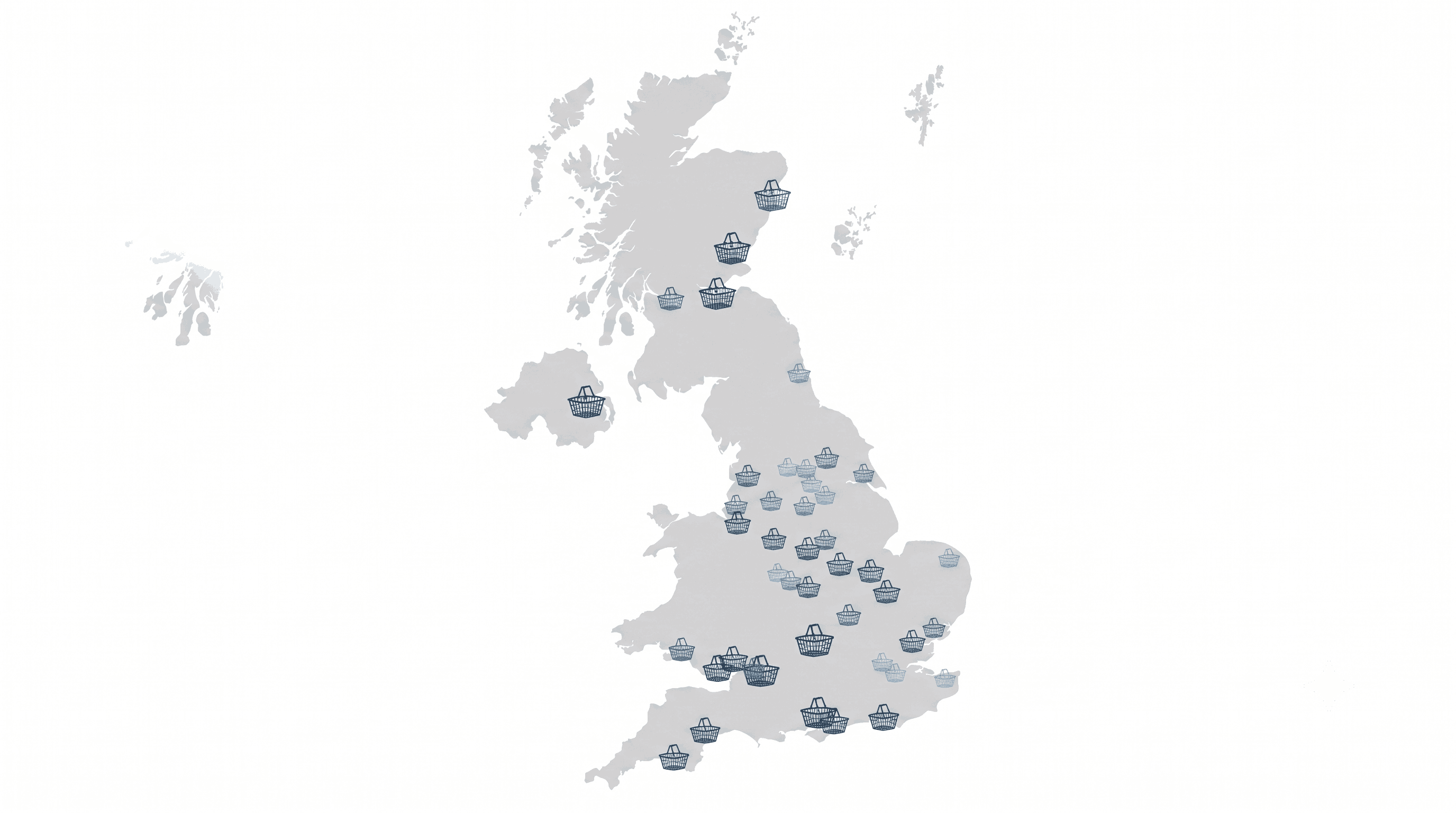
How Britain Eats: The UK’s Food Spending Habits Revealed
New data reveals the most shopped at supermarkets and fast food retailers, revealing Britain’s basket habits.
Emily Tye
Jul 15, 2026
4 min read
Credit card fees and charges explained
A clear guide to UK credit card fees and charges, what triggers each one,, and the simple ways to avoid paying them.
Emily Tye
Jul 14, 2026
6 min read

Do joint accounts affect your credit score?
Opening a joint account won't merge your credit scores, but it creates a financial link. Here's how it affects your credit file and how to break it.
Emily Tye
Jul 14, 2026
5 min read
What is a money transfer credit card?
A money transfer credit card moves cash from your credit card to your bank account. Learn how it works.
Emily Tye
Jul 13, 2026
5 min read
How to switch credit cards
Thinking of switching credit cards? Learn how to switch, how it affects your credit score, and whether to keep or close your old card.
Emily Tye
Jul 8, 2026
6 min read
Do declined payments affect your credit score?
A declined payment won't affect your credit score on its own, but the reason behind it sometimes can. Here's what does and doesn't reach your file.
Emily Tye
Jul 8, 2026
4 min read
Does a debt management plan affect your credit score?
A DMP itself doesn't appear on your file, but it usually lowers your credit score. Here's how it happens.
Emily Tye
Jul 3, 2026
5 min read
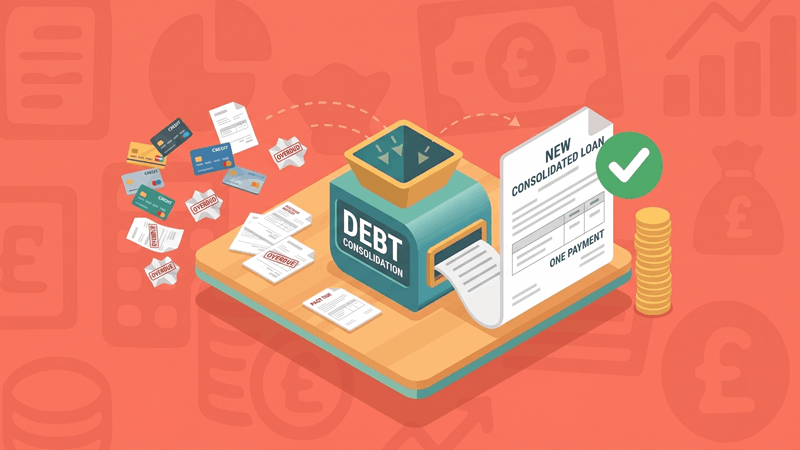
What is debt consolidation?
Debt consolidation combines several debts into one monthly payment. Learn more about how it works.
Joe Towner
Jul 2, 2026
9 min read
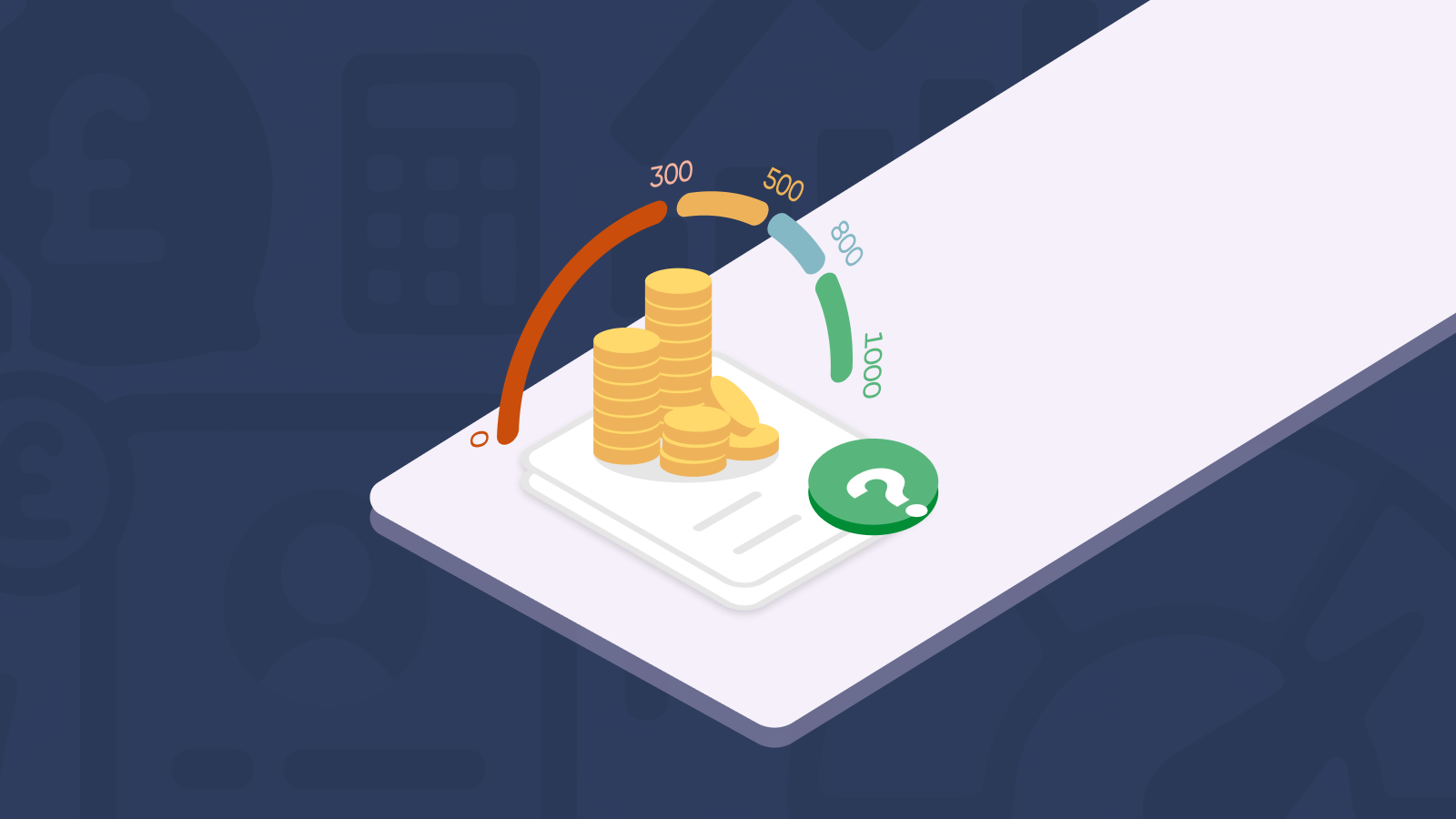
Does increasing your credit limit affect your credit score?
A credit limit increase can boost your score by lowering your utilisation ratio, but the type of credit check matters. Here's how it works.
Emily Tye
Jun 25, 2026
5 min read

How does credit card interest work?
Credit card interest builds daily on any unpaid balance. Find out how the rate is calculated, when interest starts, and how to avoid paying it.
Emily Tye
Jun 25, 2026
5 min read

Does Universal Credit affect your credit score?
Universal Credit doesn't appear on your credit file or affect your score. Find out what could have an indirect impact.
Emily Tye
Jun 25, 2026
3 min read
Can I use my credit card abroad?
Find out how to use a credit card abroad, what fees to watch for, and how to avoid dynamic currency conversion.
Emily Tye
Jun 22, 2026
4 min read
Can I keep transferring credit card balances?
There's no legal limit on how many times you can transfer a credit card balance, but fees, hard credit checks and lender rules make it harder.
Emily Tye
Jun 18, 2026
3 min read
Does a balance transfer count as a payment?
A balance transfer does count as a payment on the card you're paying off. On your new card, minimum monthly payments still apply throughout the deal.
Emily Tye
Jun 18, 2026
3 min read

Can you withdraw cash from a credit card?
Cash advances from credit cards can be a costly solution.
Emily Tye
Jun 18, 2026
3 min read
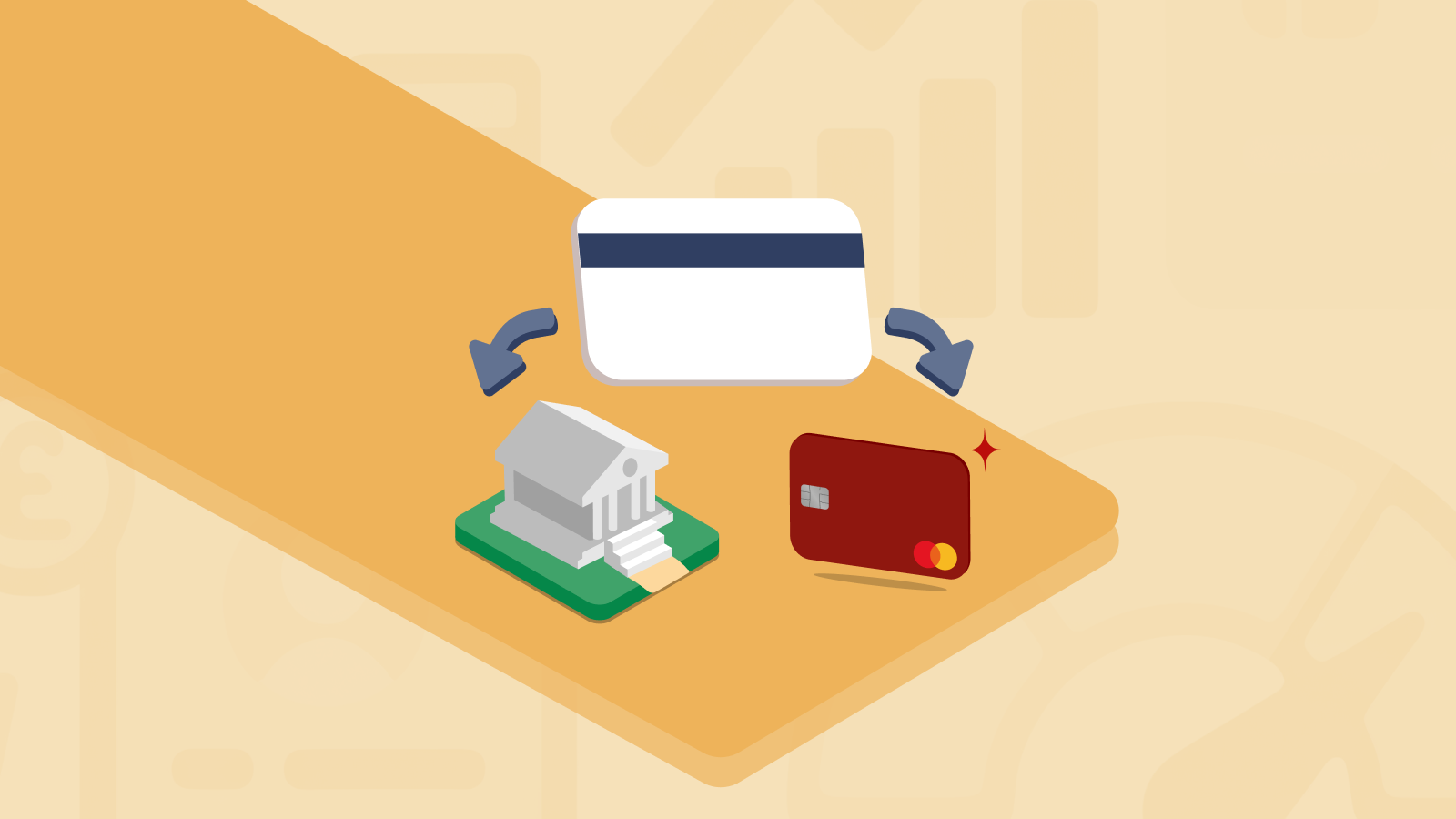
The difference between a money transfer and a balance transfer
A balance transfer moves credit card debt to a new card. A money transfer sends cash to your bank account. Learn how the two differ.
Emily Tye
Jun 17, 2026
3 min read
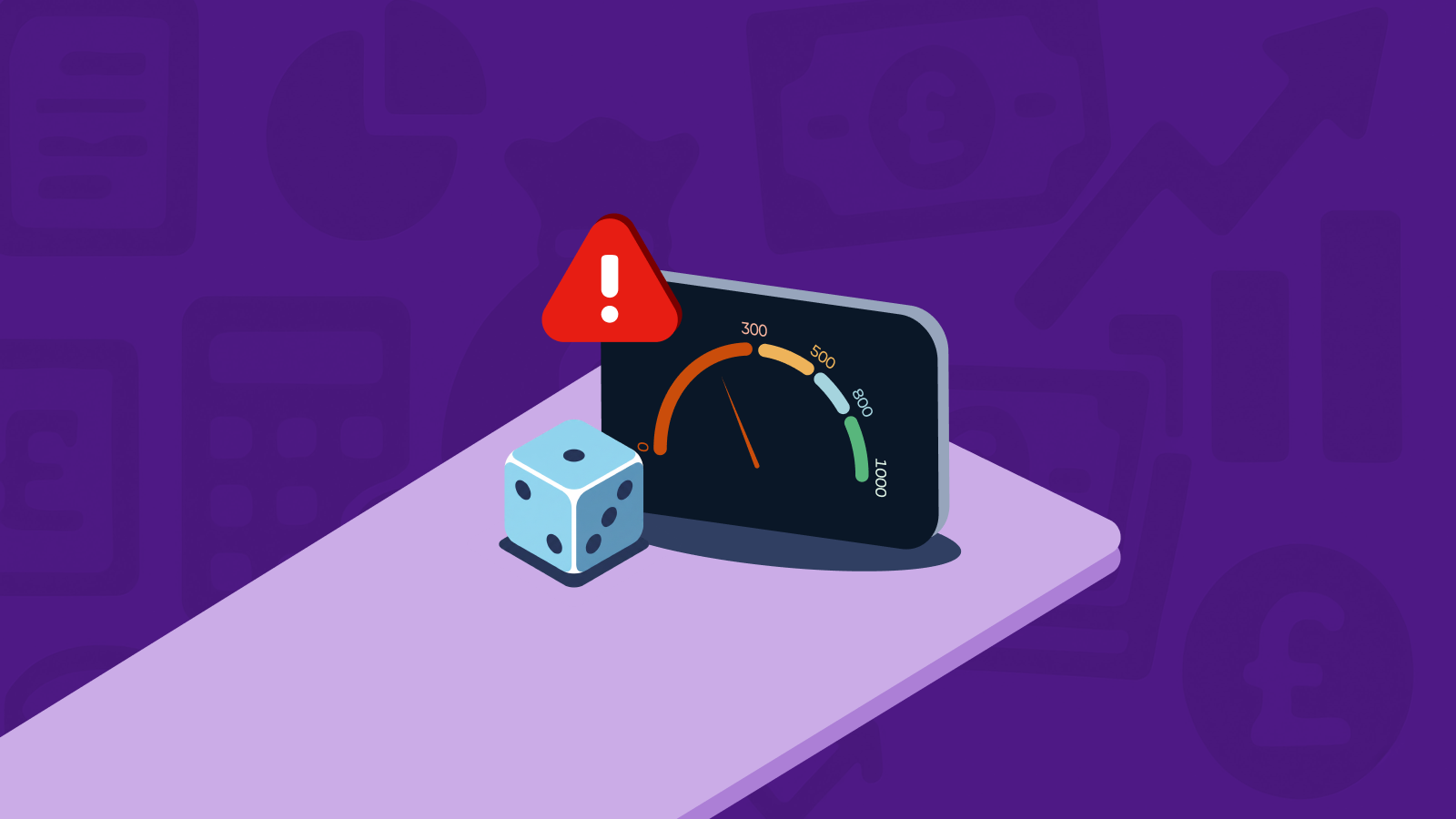
Does gambling affect your credit score?
Gambling doesn't directly affect your credit score, but it can cause real indirect damage. Here's what lenders see.
Emily Tye
Jun 16, 2026
4 min read
Why can't I get a credit card?
Been declined for a credit card? Find out the most common reasons applications are refused and the practical steps you can take.
Emily Tye
Jun 16, 2026
6 min read
What is a credit utilisation ratio?
Your credit utilisation ratio is the percentage of available credit you're using. Learn how to calculate it and keep it healthy.
Emily Tye
Jun 16, 2026
2 min read
What happens to your old credit card after a balance transfer?
Your old credit card stays open after a balance transfer. This guide covers whether to cancel it, and how your decision affects your credit score.
Emily Tye
Jun 12, 2026
4 min read

Does being on the electoral roll affect your credit score?
Registering on the electoral roll can boost your credit score. Find out how much it helps, how long it takes, and what to do if you can't register.
Emily Tye
Jun 11, 2026
4 min read

Can I get a loan if I'm self-employed?
Being self-employed doesn't disqualify you from getting a loan in the UK. Here's what lenders look for and the options available.
Joe Towner
Jun 9, 2026
6 min read

Does an overdraft affect your credit score?
An overdraft can help or hurt your credit score depending on how you use it. Find out what lenders see and what to watch out for.
Emily Tye
May 29, 2026
5 min read

APR vs interest rate: what's the difference?
The interest rate is the base cost of borrowing. APR includes interest plus any fees. Learn which to use and how to find your rate.
Emily Tye
May 29, 2026
4 min read