Types of loans: a guide to different types of borrowing

Written by
Joe Towner
Reviewed by
Amy LancashireMost loans fall into two groups. A secured loan is backed by something you own, usually your home or car, which the lender can try to take if you don't repay. An unsecured loan isn't tied to an asset, so the lender decides whether to lend based on your credit history and income. Within those two groups there are many types of loan, which fit different needs.
This guide runs through the main types of loan in the UK, what each is typically used for, and how they compare, with links to more detailed guides on each.
Secured vs unsecured loans
The secured-versus-unsecured split is an important distinction, because it affects how much you can borrow, the interest rate, and what's at risk.
Secured loans let you borrow larger amounts over longer periods, often at a lower rate, because the lender has your asset as security. The trade-off is serious: if you can't keep up repayments, you could lose your home or car.
Unsecured loans don't put a specific asset on the line, but the amounts tend to be smaller and the rate depends more heavily on your credit history.
For more on the distinction, read our guides: what a secured loan is and what is an unsecured loan.
The main types of loan
Personal (unsecured) loans
You borrow a fixed lump sum, usually between £1,000 and £25,000, and repay it in fixed monthly instalments over a set term, typically one to seven years. The average rate on a new personal loan in the UK was 9.09% in March 2026, according to the Bank of England. Personal loans can be suitable for larger planned costs like home improvements or a car.
Secured / homeowner loans
Also called second charge mortgages, these are secured against your home and sit alongside your existing mortgage. You can usually borrow from around £10,000 up to £100,000 or more, over terms of up to 25 to 30 years, based on the equity in your property. They are more for big projects or large-scale borrowing, but your home is at risk if you don't keep up repayments.
Guarantor loans
If you have a limited or adverse credit history, a lender may offer a loan if a friend or family member acts as guarantor, agreeing to make the repayments if you can't. This can open up borrowing you wouldn't otherwise get, but it puts the guarantor's finances on the line. See what a guarantor loan is.
Debt consolidation loans
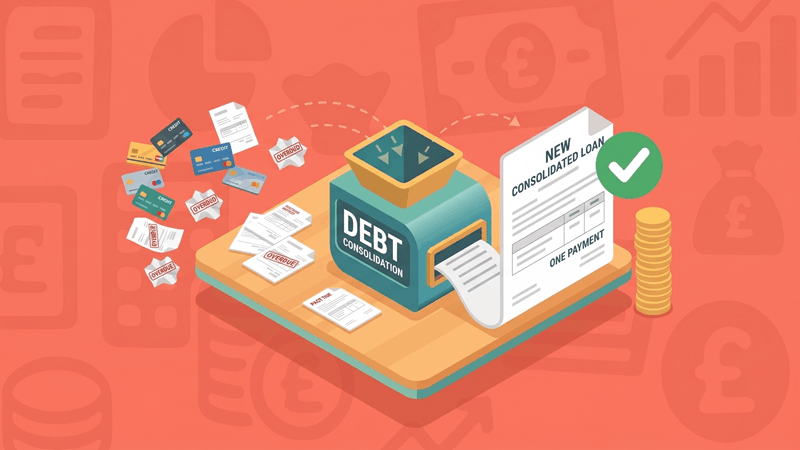
A debt consolidation loan is a personal loan used to pay off several existing debts, leaving you with one monthly payment, typically at a lower overall rate. It can make repayments simpler, but stretching the debt over a longer term can mean paying more interest overall. Read more about using a loan for debt consolidation.
Loans for bad credit
These work like standard personal loans but are aimed at people with lower credit scores, which usually means higher interest rates to offset the lender's risk. Be wary of anything advertised as "guaranteed" or "no credit check", as any properly regulated lender must still check you can afford to repay. Here's why "guaranteed" loans are a red flag.
Payday and short-term high-cost credit
Small loans (often £50 to £1,000) repaid over weeks or a few months. They're quick to arrange but among the most expensive ways to borrow, which is why the regulator caps their cost. See what a payday loan is.
Logbook loans
A loan secured against your vehicle, where you sign over legal ownership until you've repaid. They carry very high interest (often around 400% APR) and the lender can repossess your vehicle if you fall behind, so they can be a risky option. Read what a logbook loan is.
Credit union loans
Credit unions are community lenders with a legal cap on the interest they can charge, which can make them a cheaper option, especially for smaller amounts. You usually need to join the credit union first. See how credit union loans work.
Car finance (hire purchase and PCP)
Rather than a standard personal loan, many people buy a car using specialist finance secured against the vehicle. With hire purchase (HP) you pay a deposit and monthly instalments, and own the car after the final payment. With a personal contract purchase (PCP), monthly payments are lower but you make a large optional "balloon" payment at the end if you want to keep the car.
Bridging loans
Short-term secured loans, usually against property, used to "bridge" a temporary gap, for example buying a new home before your current one sells. They're fast but expensive, and intended to be repaid within months rather than years.
Mortgages
The largest secured loan most people take out, used specifically to buy a home and secured against that property, typically over terms of around 25 years. Because mortgages are their own specialist area, it's worth seeking dedicated mortgage advice.
Student loans
Government-backed loans that cover university tuition and living costs. Repayments work differently from other borrowing: you only repay once your income is over a set threshold, it's collected through your salary, and any remaining balance is written off after a certain period. See gov.uk for the current rules.
Types of loans compared
This table gives a rough guide. Actual amounts, terms and costs vary by lender and your circumstances.
Type of loan | Secured or unsecured | Typical amount | Repayment term length | Commonly used for |
|---|---|---|---|---|
Personal loan | Unsecured | £1,000–£25,000 | 1–7 years | Larger planned costs, consolidation |
Secured / homeowner loan | Secured (home) | £10,000–£100,000+ | Up to 25–30 years | Big projects, large consolidation |
Guarantor loan | Usually unsecured | £1,000–£10,000 | 1–5 years | Borrowing with limited credit |
Debt consolidation loan | Secured or unsecured | Varies dependent on existing debts | 1–7 years+ | Combining existing debts |
Payday / short-term credit | Unsecured | £50–£1,000 | Weeks to months | Short-term emergencies (high cost) |
Logbook loan | Secured (vehicle) | £500–£50,000 | 12–36 months | Fast cash against a car (very high cost) |
Car finance (HP/PCP) | Secured (the car) | Price of the car | 1–5 years | Buying a vehicle |
Credit union loan | Usually unsecured | Small to moderate | Varies | Affordable community borrowing |
Bridging loan | Secured (property) | Depends on property cost | Weeks to ~12 months | Bridging a property gap (high cost) |
Mortgage | Secured (property) | Depends on property cost | 25 years+ | Buying a home |
Student loan | Unsecured (government) | Depends on individual | Repaid via salary | Funding university |
How to choose the right type of loan
The right loan depends on four things: how much you need, what you need it for, how long you need to repay, and what you can comfortably afford each month.
Match the loan to the purpose. A short-term gap and a house purchase call for very different products. For small, short-term borrowing, an overdraft can sometimes be cheaper than a loan, as our guide on how an overdraft compares to a personal loan explains.
Think about the term. A shorter term costs less overall but means higher monthly payments, while a longer term is cheaper month to month but costs more in total interest. See how short and long term loans differ.
Compare the true cost. Use the APR, which includes interest and compulsory fees, to compare like for like. It helps to understand the difference between APR and interest rate first.
Remember the advertised rate isn't guaranteed. Lenders only have to offer the "representative APR" to 51% of accepted applicants, so depending on your credit history you may be offered a higher rate.
Check for an early repayment charge if you think you might clear the loan ahead of schedule.
FAQs
There are a range of financial products available that may suit your needs. We encourage you to research your options carefully and consider seeking independent financial advice before making any decisions. This blog is for informational purposes only and does not constitute financial advice.