Can you part exchange a car on finance?

Written by
Joe Towner
Reviewed by
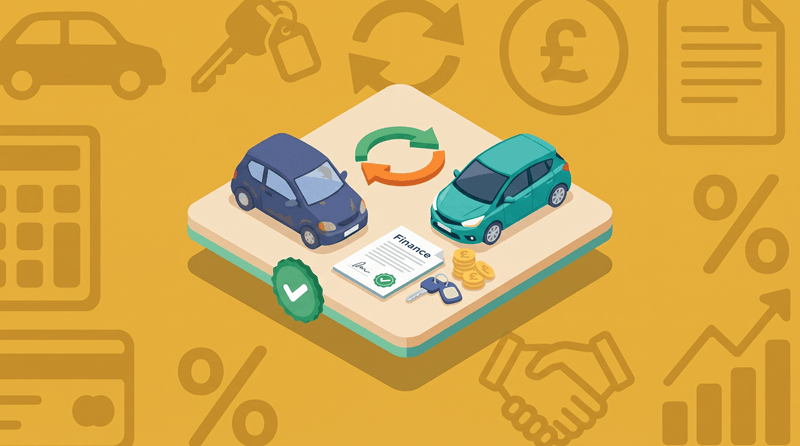
Amy LancashireYes, you can part exchange a car that's still on finance. The dealer finds out how much you owe, pays your finance company directly and takes the car. If your car's worth more than you owe, the difference goes towards your next car. If it's worth less, you'll need to cover the gap.
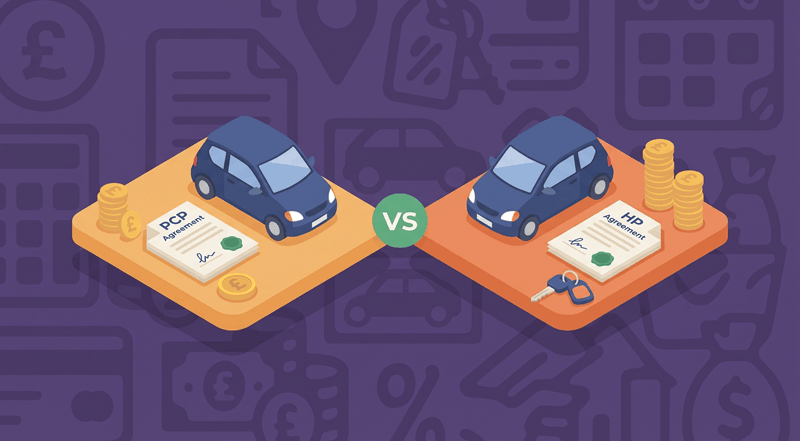
It works the same way whether your car's on hire purchase (HP) or Personal Contract Purchase (PCP).
How does part exchange work if my car is on finance?
Get a settlement figure. This is the amount needed to clear your agreement in full, and your finance company must give you one if you ask, under section 97 of the Consumer Credit Act 1974. Our guide explains what a settlement figure includes.
Get your car valued. The dealer will make you a part-exchange offer. It's worth checking it against a few online valuations first.
The dealer pays off your finance. It pays the settlement figure straight to your finance company, which ends your agreement. Keep making your regular payments until your finance company confirms it's been paid.
Any equity goes towards your next car. If the dealer's offer is more than your settlement figure, the difference is called equity, and it can go towards the deposit on your next car.
You can subtract your settlement figure from what a dealer offers to work out how much is left over to go towards your next car.
What if I owe more than my car is worth?
This is called negative equity. It's more likely early in an agreement, because new cars tend to lose value towards the beginning of their lifecycle. You have a few options:
Pay the difference. Cover the shortfall yourself so the finance can be cleared.
Add it to your new finance. Some dealers will add the shortfall to your next agreement. That means borrowing more than you otherwise would for your next car, and paying interest on the old shortfall until the new agreement ends.
Wait. What you owe falls with each payment, so the gap can close over time, as long as you're paying it off faster than the car loses value.
Hand the car back. Voluntary termination lets you return the car and end an HP or PCP agreement. If you've paid less than half the total amount payable, you'll usually need to pay the difference up to half. You won't have a car to part exchange, though.
Can I part exchange a PCP car before the end of the agreement?
Yes. Your settlement figure on a PCP includes the optional final payment, often called the balloon payment, so early in the agreement it can be more than the car's worth.
At the end of a PCP, you can part exchange the car instead of making the final payment. If it's worth more than the final payment, the difference is equity for your next car. If it's worth less, you can hand the car back with nothing more to pay, as long as you're within your mileage limit and the car's in good condition.
Is part exchange a good option?
It depends on your circumstances. Part exchange saves time, because the dealer handles the finance and the sale in one go. The trade-off can be price. You may get more by selling privately, though the finance still has to be cleared as part of the sale. Our guide to selling a car that's still on finance covers your other options.
Part Exchange on Finance FAQs
Does paying off PCP early affect my credit score?
Your agreement will show on your credit file as settled, and your record of paying on time stays on your file. Closing an account can cause a temporary dip in your score. Read more about what affects your credit score.
Can I pay off my PCP early and then sell the car?
Yes. Once you've paid the settlement figure, the car's yours to keep or sell. If you're selling straight away, a dealer or car-buying service can usually clear the finance as part of the sale, so you would only need money of your own if the car's worth less than you owe. See our guide to selling a car on finance.
There are a range of financial products available that may suit your needs. We encourage you to research your options carefully and consider seeking independent financial advice before making any decisions. This blog is for informational purposes only and does not constitute financial advice.